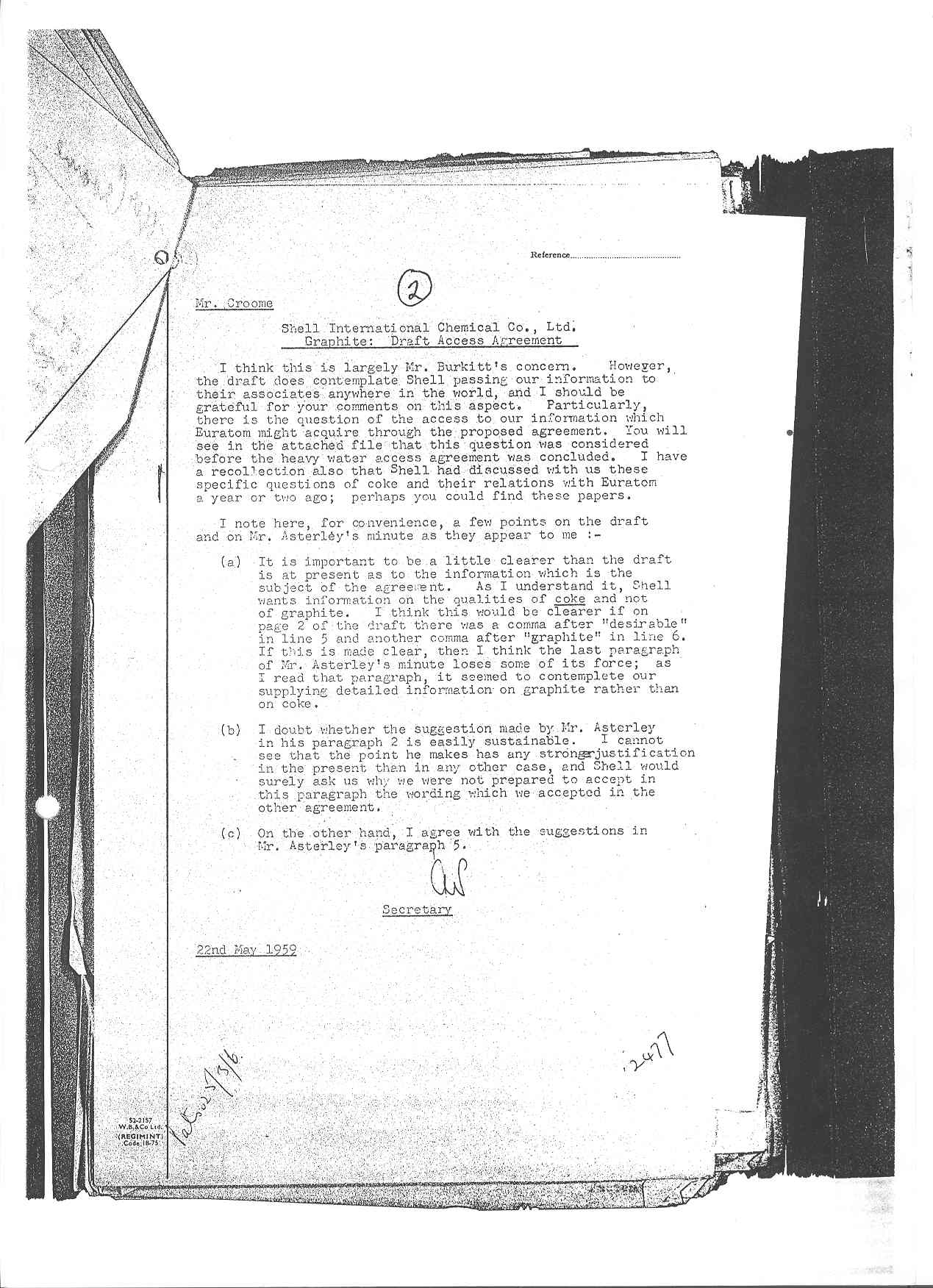
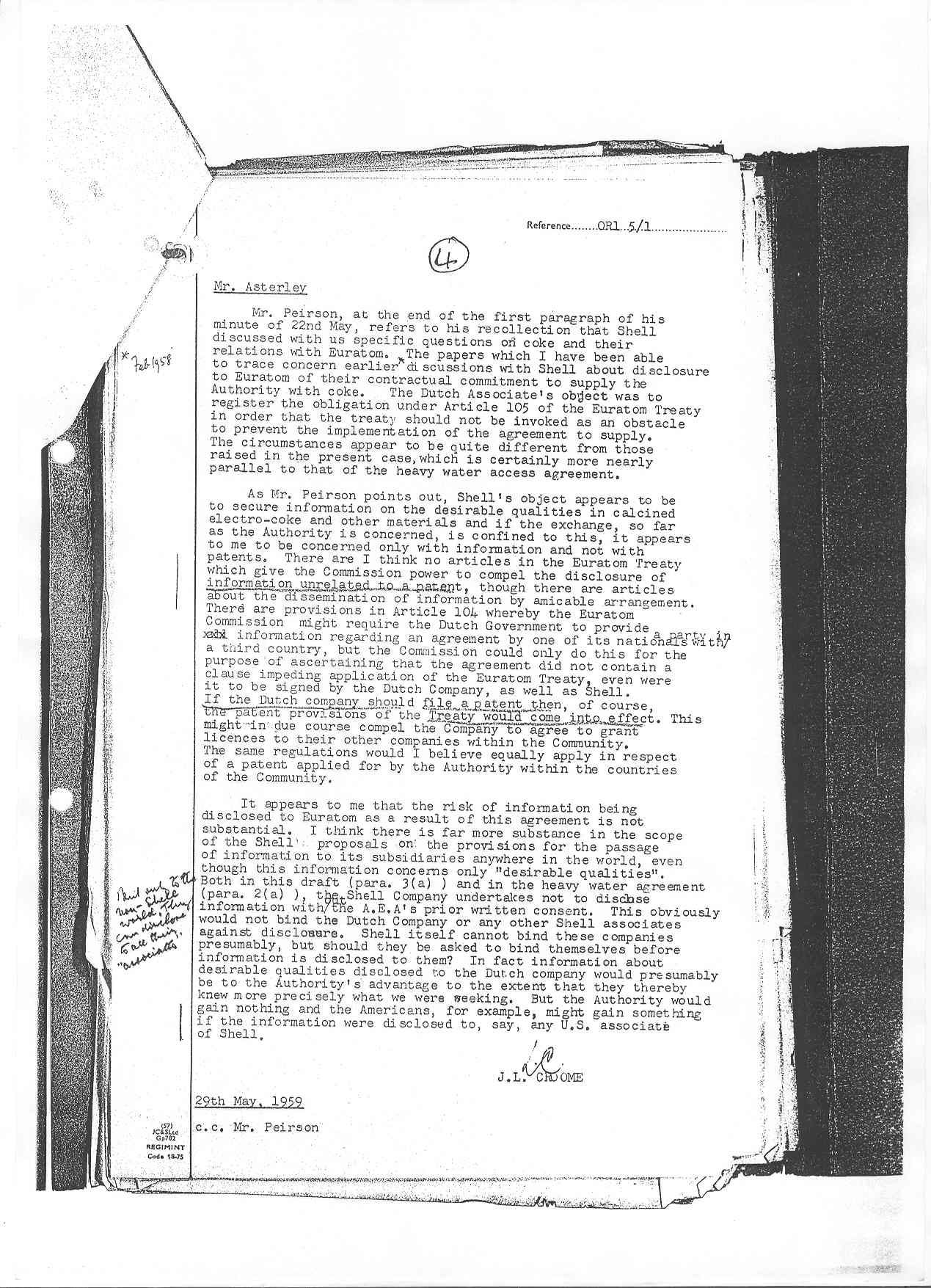
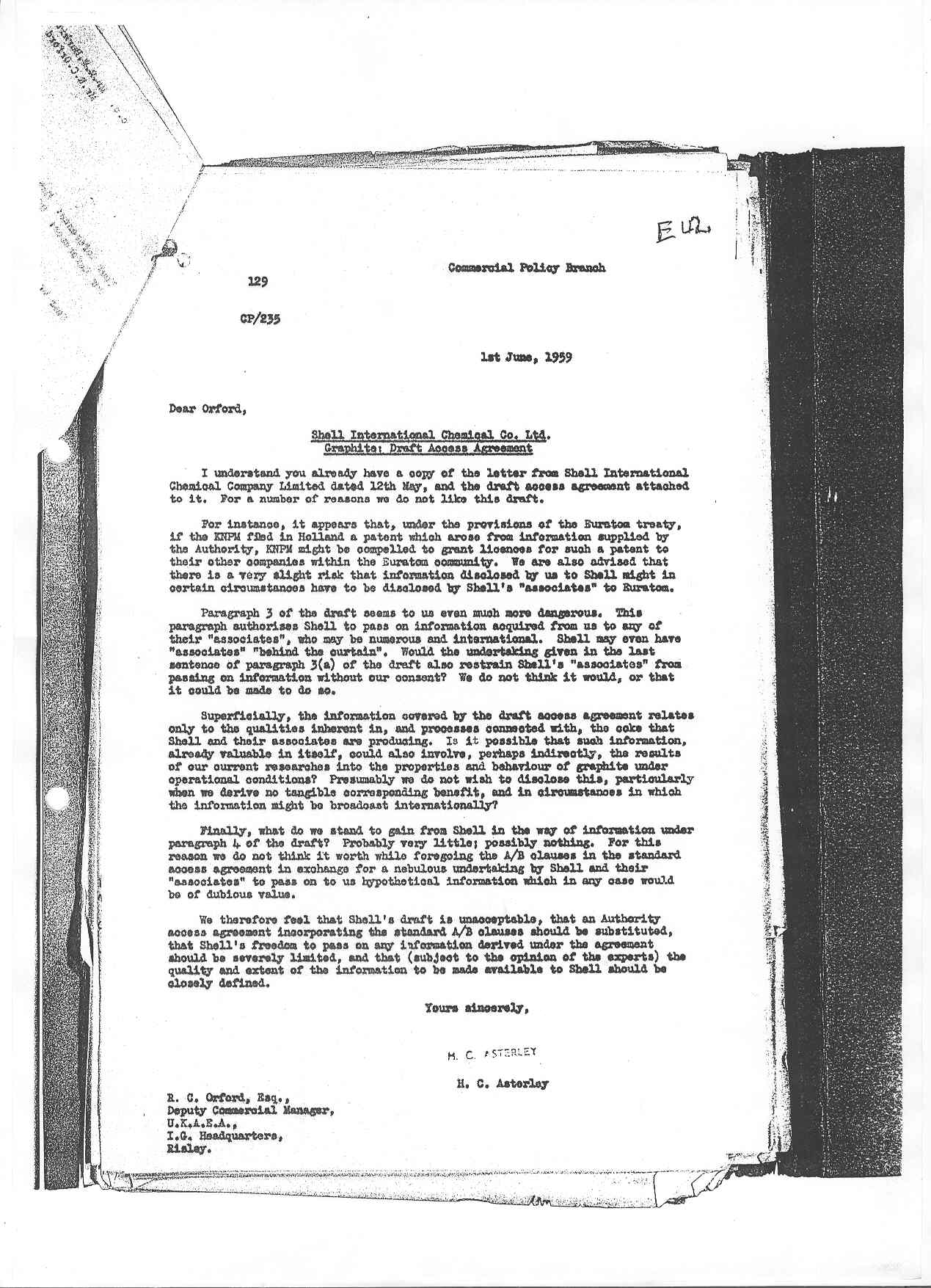
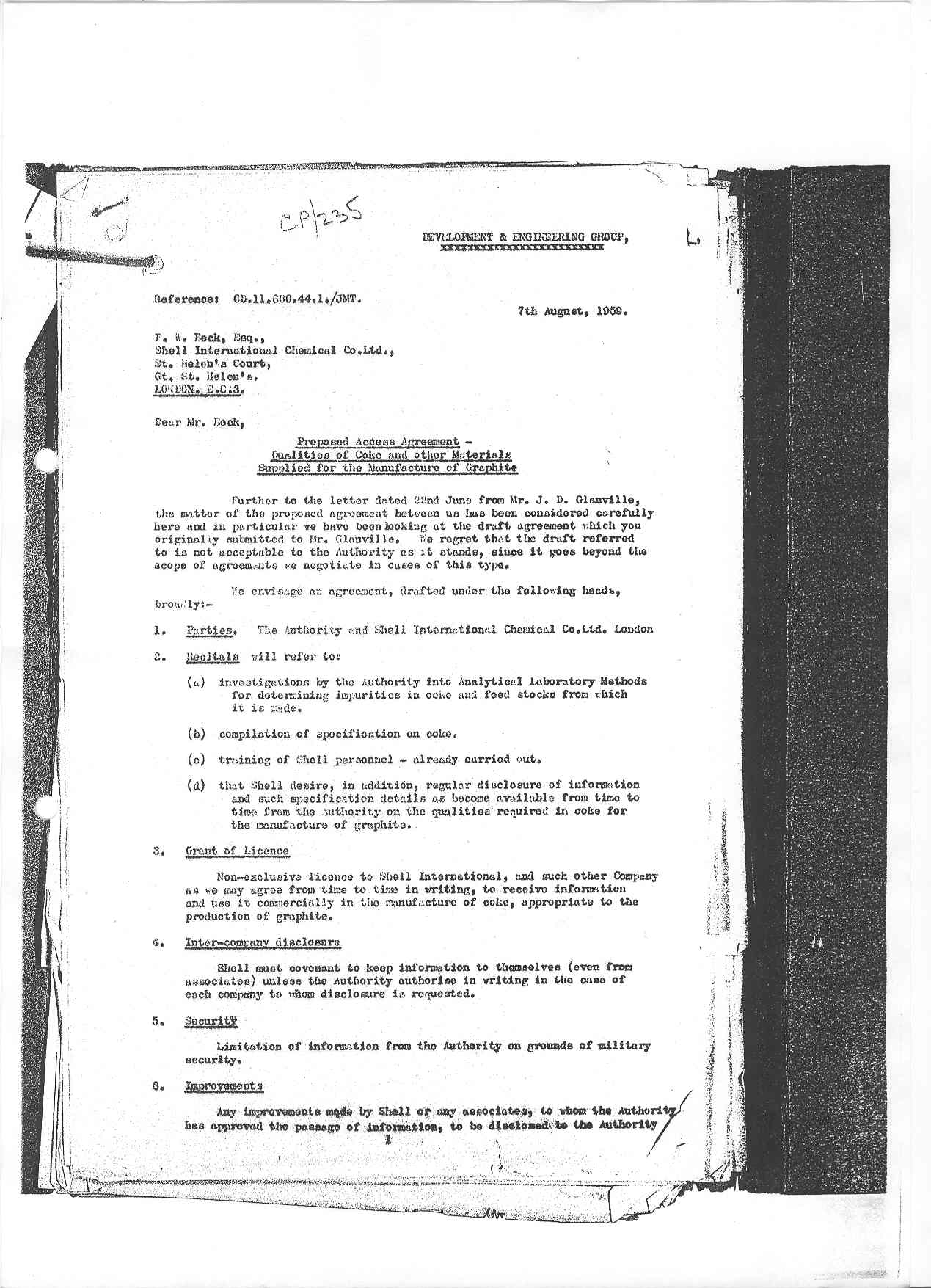
Press articles covering Shell involvement in Al-Yamamah corruption scandal
Press articles covering Shell involvement in Al-Yamamah corruption scandal
Extract from MEED Middle East Economic Digest article published 17 May 2002 under the headline: Al-Yamamah weathers the changes. (BAE). (Al-Yamamah project remains at the heart of the UK trade drive in Saudi Arabia)
The largest contract ever awarded to a British company, the Al-Yamamah project remains at the heart of the UK trade drive in Saudi Arabia, generating a substantial portion of Britain’s export earnings from the largest economy in the Arab world. Although past its peak, Al-Yamamah still generates at least [pounds sterling] 100 million of sales a year. Contract payments are made through an oil barter arrangement involving BP and the Royal Dutch/Shell Group.
http://www.accessmylibrary.com/coms2/summary_0286-25436298_ITM
Extract from The Daily Telegraph published 19 August 2006 under the headline: “BAE lands arms deal for a new generation”
The oil-for-arms basis of the first deals only served to add to the mysterious workings of Al-Yamamah. BAE was “paid” in oil produced by Saudi outside its Opec quota and sold in the market by BP and Shell. The switch from oil to cash as the basis for the third deal has been influenced by a Saudi anti-corruption drive and a recognition that the slush funds associated with other Saudi arms contracts have helped finance terrorism. There is also a recognition that Al-Yamamah – which means The Dove – is hardly appropriate for defence contracts. There is nothing “dovish” about destructive weapons.
http://www.telegraph.co.uk/finance/2945759/BAE-lands-arms-deal-for-a-new-generation.html
Extract from The Times article published on 21 February 2007 under the headline: “Al-Yamamah an echo of 1980s sleaze”
“The first two al-Yamamah deals were complicated oil-for-arms arrangements that cost Saudi Arabia a certain number of barrels of oil a day. This oil was transferred to BP and Shell, which in turn paid the value of the oil into an escrow account from which BAE received its money.”
http://business.timesonline.co.uk/tol/business/article1415469.ece
Extract from The Guardian article published on 7 June 2007 under the headline: The al-Yamamah deal “Al-Yamamah is Britain’s biggest ever arms deal.
The agreement – its name means “the dove” in Arabic – has kept BAE afloat for the last 20 years, bringing around £40bn of revenue.” “Al-Yamamah has been controversial for many reasons. Within weeks of the deal being signed in 1985, allegations of corruption surfaced. Those allegations have never gone away; in December 2006 the government terminated the Serious Fraud Office investigation into claims that BAE had paid massive bribes to Saudi royals.”
http://www.guardian.co.uk/world/2007/jun/07/bae15
Extract from Financial Times article published 8 June 2007 under the headline: “Barter fund used to pay commissions to middlemen”
Al-Yamamah is covered by government-to-government contracts between Saudi Arabia and Britain, which the British government and BAE insist are confidential. At its heart was a barter arrangement under which the Saudis delivered oil to BP and Royal Dutch Shell, which sold it and deposited the proceeds in an escrow account at the Bank of England. Payments from this account required signatures from officials of both Saudi and British governments. From this account, BAE was paid in stages as it completed project milestones. It used some proceeds to pay commissions to middlemen who had helped facilitate the transaction.
http://www.ft.com/cms/s/0/579364ac-155c-11dc-b48a-000b5df10621.html
Extract from Financial Times article published 2 July 2007 under the headline: Al-Yamamah deal: the Saudi foreign policy connection
The arrangement, at least initially, involved a special account controlled by the Saudis, at the Bank of England. This would receive funds from the sale of Saudi oil lifted and sold by BP and Royal Dutch Shell, which took a commission. Press reports in 1996 suggested this exact arrangement changed – but over nearly two decades, tens of billions of dollars were directed through it.
http://www.ft.com/cms/s/0/c8286b10-2833-11dc-80da-000b5df10621.html
Extracts from The Times article published 11 April 2008 headlined: Margaret Thatcher ‘ordered bugging of prince’
Al-Yamamah was initially an oil-for-arms trade. BAE supplied Tornados to the Saudis and they transferred oil to Shell and BP. These companies would pay for the oil by moving money into an account held by the Bank of England. The Ministry of Defence then paid BAE from there.
http://www.timesonline.co.uk/tol/news/politics/article3724416.ece
 nuclear-contamination-cover-up